Choose softcover for a custom coloring book that will be carried around and colored often; choose hardcover when a firm cover and a keepsake feel matter more. Neither cover tells you whether the pages lie flat or suit your coloring materials, so check the binding and paper separately. For your 2026 gift, start with how the recipient will use the book, then confirm which formats the chosen title offers.
- Choose a softcover custom coloring book for a flexible cover; choose hardcover for a firm, shelf-kept keepsake.
- Color My Classics suits classic-story lovers seeking face-and-name personalization in printed coloring storybooks.
- Cover format does not establish paper quality, coloring-material compatibility, or whether a book lies flat.
- Choose the story and recipient photo before deciding which available cover format fits your gift.
Why this matters
A gift book has two lives: the moment someone opens it and the time they spend using it. A beautiful cover matters, but so does whether the recipient wants to take the book along, settle down to color, or keep the finished pages on a shelf.
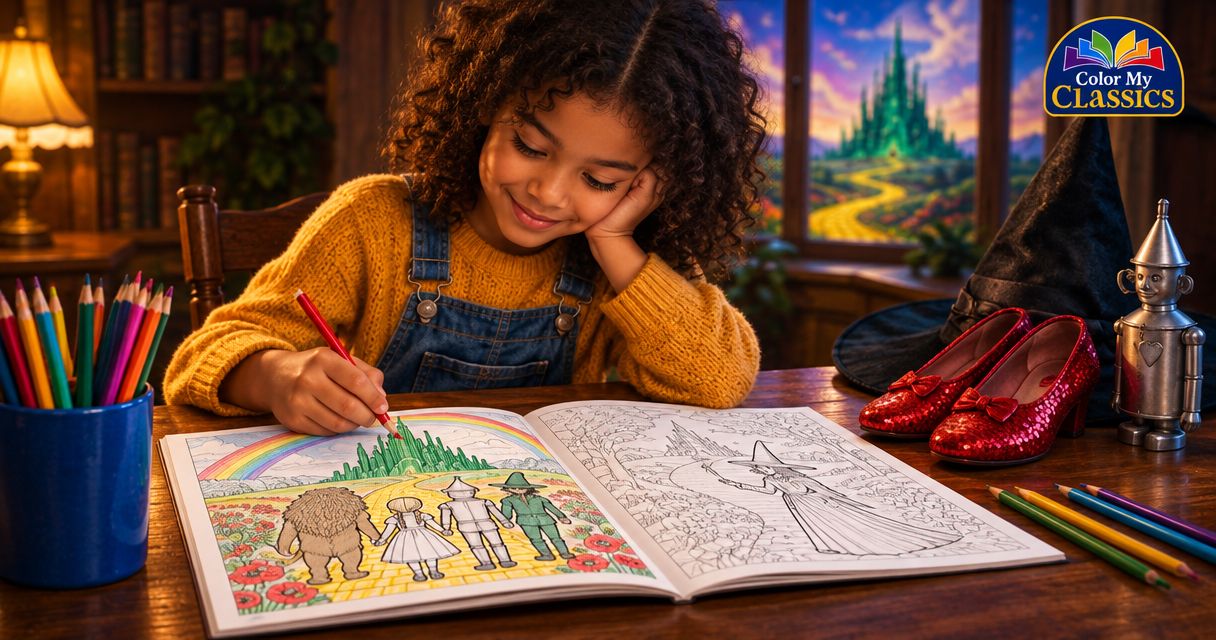
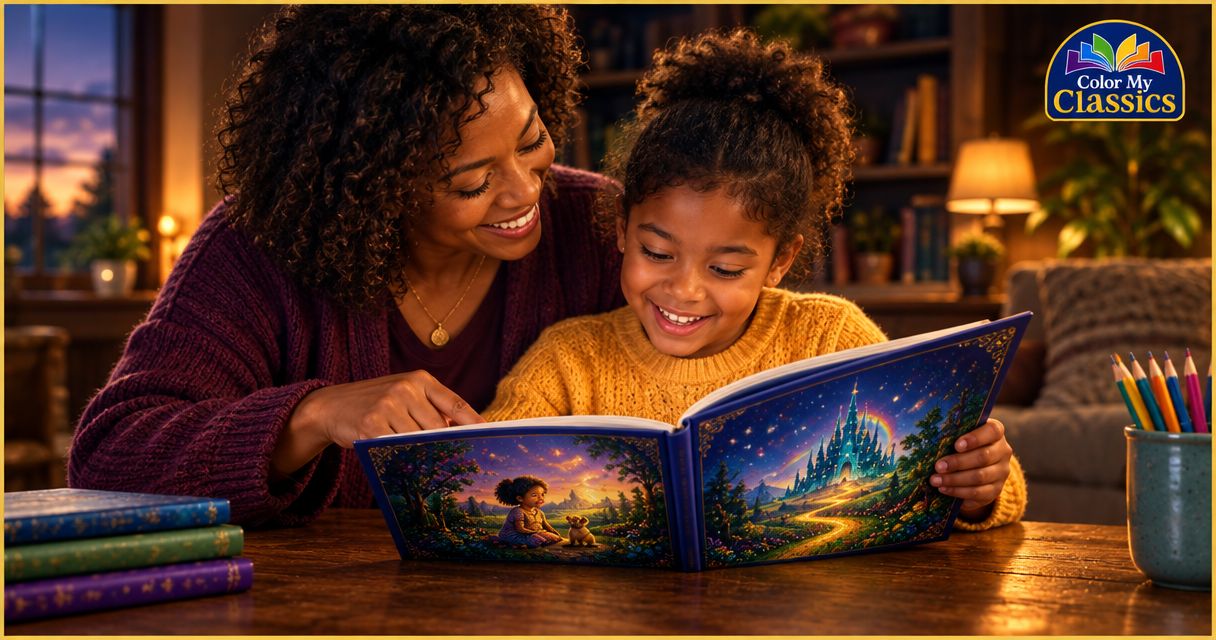
Color My Classics creates personalized, printed coloring storybooks that bring an uploaded photo into classic tales such as The Wizard of Oz and Alice in Wonderland. Face-and-name personalization gives the gift its personal connection; the cover is a separate choice. Choose the story for the person, then choose the format for the way they will enjoy it.
That advice works for parents buying for children ages 4–12, grandparents choosing a grandchild's keepsake, and adults returning to a favorite childhood tale. A birthday gift, Christmas present, or just-because surprise does not need the same cover simply because it celebrates the same story.
Custom coloring books: softcover or hardcover for your gift?
Softcover is best for recipients who want a flexible book; hardcover is best for recipients who prefer a firm cover for a shelf-kept gift. These are format choices, not promises about a particular title's construction. Confirm the available edition before ordering.
| Format | Best for | Main advantage | Main limitation | What to check |
|---|---|---|---|---|
| Softcover | Recipients who prefer a flexible cover for everyday use | The cover bends rather than remaining rigid | The cover itself provides less rigid support | Binding, opening behavior, and paper guidance |
| Hardcover | Recipients who prefer a firm cover and a keepsake feel | Rigid boards give the cover structure | A rigid cover does not guarantee an easy-to-color opening | Binding, opening behavior, and paper guidance |
Neither format wins every gift occasion. A grandparent can choose softcover for a book intended to be used together, while a nostalgic adult can choose hardcover for a personal story collection. The recipient's habits matter more than the buyer's idea of what a gift should look like.
Also separate the cover from the contents. A hardcover generic coloring book does not become personalized because its binding feels substantial, and a softcover personalized storybook does not lose its personal meaning because its cover bends.
Softcover: best for a flexible, everyday gift
Softcover suits someone who prefers a book with a flexible outer cover. That can fit a child who brings a coloring activity to the table, a grandchild who carries a story between homes, or an adult who keeps a current coloring project close at hand.
The practical advantage is flexibility, not a guaranteed coloring experience. A paperback can still resist staying open, depending on its binding. Do not assume that a bendable cover means the pages will rest flat without support.
For a child's 2026 birthday, picture the actual activity rather than the wrapping. Will an adult read alongside the child? Will the book sit on a table while the child colors? Those questions help you evaluate the edition's opening behavior instead of choosing on appearance alone.
Softcover also suits a keepsake that is meant to gather signs of use. Colored pages and the recipient's choices can become part of the gift's meaning. That does not make softcover indestructible: avoid treating a flexible cover as permission to fold or force the binding.
Before choosing it, check:
- Whether the selected story is offered in softcover.
- What the product information says about the binding and paper.
- Whether the recipient prefers a flexible cover.
- Whether the book's intended coloring materials match the guidance provided.
Choose softcover because it fits the recipient's use, not because you assume it has the same specifications as another paperback.
Hardcover: best for a firm-cover keepsake
Hardcover suits someone who likes a book with a rigid outer cover. It is a natural option to consider for a grandparent-to-grandchild keepsake or an adult's classic-story collection, provided the selected title offers that format.
The cover's structure is its clear advantage. Hardcover is not proof of thicker paper, marker-friendly pages, or a lay-flat binding. Those features need their own confirmation; none follows automatically from the word hardcover.
For Christmas 2026, consider what happens after the gift is unwrapped. A recipient who wants to keep the book among favorite stories might appreciate a firm cover. Someone who mainly wants to color should also have an opening that makes the activity comfortable.
A hardcover keepsake does not have to remain untouched. A personalized coloring storybook invites the recipient to add color, so the finished gift can look different from the book you first handed over. The purpose is participation, not simply preservation.
The trade-off is that a rigid cover is less flexible. That alone does not establish the book's weight or size, and it says nothing about how much effort the pages need to stay open. Check the edition's details rather than borrowing assumptions from another hardcover you own.
Why the right cover choice varies
The best format changes with the recipient and the intended use. These factors give you a clearer decision than choosing hardcover for every special occasion or softcover for every child.
- Recipient preference: Some people enjoy a firm-cover book; others prefer a flexible cover they can handle casually.
- Coloring use: A book intended for active coloring needs suitable paper and an opening that works for that activity, whatever its cover.
- Keepsake intention: Decide whether the recipient wants a shelf-kept story, an ongoing coloring project, or both.
- Story connection: A meaningful connection to Oz or Wonderland can matter more than the cover format.
- Edition details: Compare the actual formats offered for the selected title, rather than assuming every version has identical contents and construction.
- Personalization choices: The photo and name are central to a personalized gift, so give them as much attention as the cover.
Keep the order simple: recipient, story, personalization, then construction. A format that looks gift-ready but does not suit the person is still the wrong choice.
How do you choose a personalized coloring book as a gift?
Choose the recipient's story connection first, then prepare the personalization and review the edition. For your 2026 gift list, this sequence keeps a cover preference from deciding the whole present.
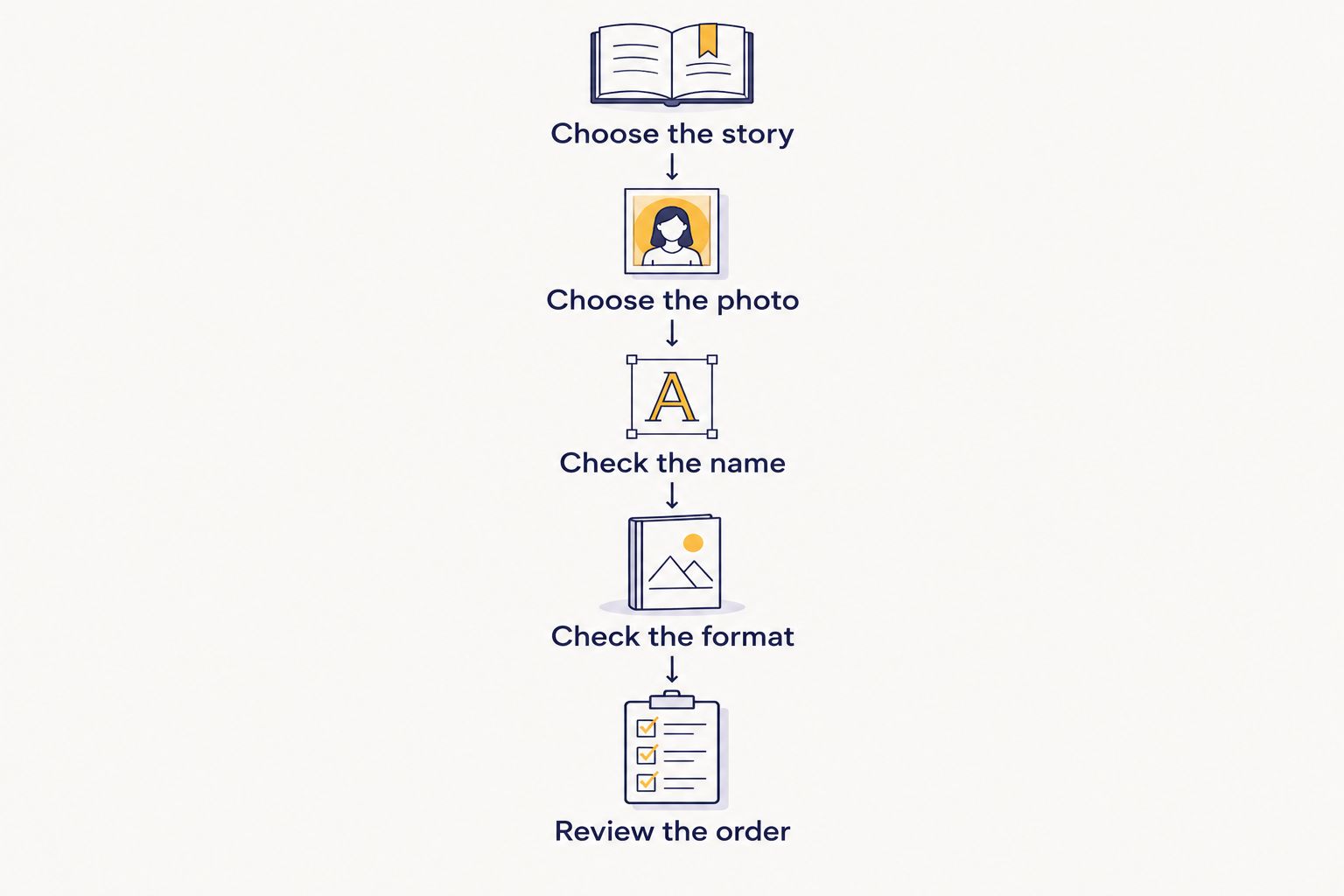
- Choose the story. Think about whether the recipient enjoys Oz, Wonderland, or the particular classic named on the product page. Familiarity is useful, but curiosity counts too.
- Choose the photo. Select an image with a clear, recognizable face, and check the site's upload instructions before submitting it. Do not assume every image will meet the requirements.
- Check the name. Confirm the spelling you want to appear, following the ordering instructions for the selected book. A nickname should be a deliberate choice.
- Check the format. Review the cover options actually offered, along with any stated binding and paper details. Do not infer those details from a cover photograph.
- Review the order. Recheck the selected story, image, name, and edition before completing the purchase. For a dated occasion, consult the current production and shipping information too.
A clear face is practical photo-selection advice, not a promise about the finished illustration. Follow any stated requirements for framing, image quality, or permitted uploads. For a surprise gift, use a photo you have permission to share rather than asking someone else to upload it without the recipient's knowledge.
What makes a photo-personalized book different?
Color My Classics is best for classic-story lovers who want face-and-name personalization in a printed coloring storybook. Its Oz and Wonderland stories connect a familiar tale with the person receiving the gift.
That is different from choosing a book only because it prints a recipient's name. It is also different from choosing a generic coloring book with no recipient-specific personalization. These are distinctions in what the gift contains, not evidence that one category is always better.
| Book type | Best for | What makes it personal | Main trade-off |
|---|---|---|---|
| Photo-and-name coloring storybook | Recipients who want to appear in a classic tale and add color | The recipient's face and name are part of the personalized concept | You need to prepare and check the personalization |
| Name-only personalized storybook | Recipients who want a named place in a story | Name-based personalization | Name-only personalization does not include the recipient's face |
| Generic coloring book | Recipients who want coloring pages without personalization | The buyer's choice of subject | The book is not customized to the recipient |
Choose by the experience you want to give. A photo-personalized book asks the buyer to make personal choices before ordering, while a generic book avoids that preparation. For some gifts, appearing in the story is the point; for others, the subject alone is enough.
Is hardcover better for a grandchild's keepsake?
Hardcover is better when a firm cover is part of the keepsake you want to give. It is not automatically better for coloring, and softcover can still hold meaningful, finished pages.
For grandparents, consider how you will share the story. Reading together and inviting a grandchild to choose colors gives the book a purpose beyond its binding. If you live apart, the same decision starts with the grandchild's interests rather than a rule that keepsakes must be hardcover.
Is softcover better for an adult who likes classic stories?
Softcover is better for an adult who prefers a flexible cover; hardcover is better for an adult who prefers a firm-cover collection. Neither format is inherently childish or grown-up.
An adult's 2026 gift can welcome nostalgia without pretending the recipient is a child. Choose a story they enjoy, use an appropriate photo for the personalization, and let their preferred way of coloring or keeping books guide the format.
FAQ
What's the best cover for a custom coloring book?
The best cover is softcover for someone who prefers flexibility and hardcover for someone who prefers a firm-cover keepsake. Check the selected edition's binding and paper separately before choosing.
Does a hardcover coloring book always lie flat?
No, a hardcover coloring book does not automatically lie flat. Opening behavior depends on construction, so look for explicit information about the selected edition.
Can a softcover personalized book be a keepsake?
Yes, a softcover personalized book can be a keepsake. The recipient's connection to the story and the pages they color are separate from whether the cover is rigid.
Are personalized coloring books only for children?
No, personalized coloring books can also suit nostalgic adults who enjoy classic tales. Choose the story and format for the individual rather than assuming every recipient is a child.
What photo should I use for a personalized coloring storybook?
Choose a photo with a clear, recognizable face, then follow the selected book's upload instructions. Check any stated image requirements before placing the order.
Does hardcover mean I can use markers?
No, hardcover does not establish marker compatibility. Follow the paper and coloring-material guidance for the specific book rather than judging by the cover.
What makes Color My Classics different from a name-only book?
Color My Classics offers face-and-name personalization in printed coloring storybooks based on classic tales such as Oz and Wonderland. A name-only book personalizes the name without that face-based element.
One last thing
Decide whether the gift is meant to be admired, used, or both before choosing its cover. A coloring storybook gives the recipient something unfinished on purpose: the color is theirs to add. For a birthday, a holiday, or a quiet afternoon together, leave room for that part of the adventure.